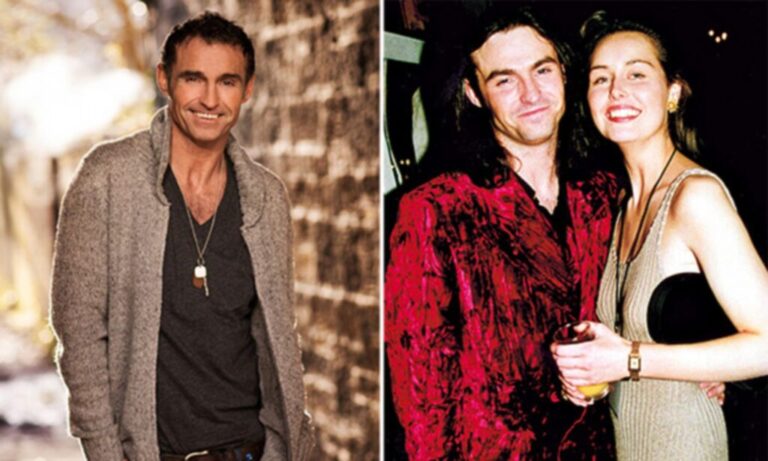
Mary Nightingale Illness
Introduction to Mary Nightingale Illness
Mary Nightingale is one of the most recognizable and respected faces in British television journalism. As the long-standing anchor of ITV Evening News, she has built a reputation for professionalism, calm authority, and unwavering dedication to her role. Because of her visibility and public trust, any discussion surrounding her health naturally draws attention. Over time, searches and conversations around the phrase “Mary Nightingale illness” have increased, prompting curiosity, concern, and in some cases, speculation.
This article takes a clear, responsible, and expert approach to the topic. Rather than fueling rumors, it focuses on verified information, public statements, media responsibility, and the broader realities of health discussions involving high-profile journalists. Importantly, it respects privacy while still addressing why this topic resonates with audiences and how public figures like Mary Nightingale navigate such scrutiny.
Who Is Mary Nightingale and Why the Public Cares About Her Health
Mary Nightingale is not just a newsreader; she is a fixture Mary Nightingale Illness of British public life. Having joined ITV News in the late 1990s, she became the main presenter of ITV Evening News in 2001, a role she has held for over two decades. Her longevity alone places her among the most trusted broadcasters in the UK.
Viewers have welcomed her into their homes during some of the most significant moments in modern history. From elections and royal events to global crises and national tragedies, Mary Nightingale has often been the calm, steady presence delivering complex information with clarity and empathy. Over time, this consistent presence creates a unique bond between journalist and audience.Because of that bond, public concern about her wellbeing feels personal to many viewers. When a familiar face appears absent, looks fatigued, or Mary Nightingale Illness deviates from their usual routine, audiences naturally notice. In media psychology, this is often described as a “parasocial relationship,” where viewers feel emotionally connected to public figures they regularly watch, even though the relationship is one-sided.
The Origins of “Mary Nightingale Illness” Searches and Speculation
The rise in online searches for “Mary Nightingale illness” does not stem from a single confirmed medical announcement. Instead, it reflects a broader pattern seen with many long-serving broadcasters and public figures. Temporary absences, changes in appearance, or reduced on-screen presence often trigger curiosity, especially in the age of social media and 24-hour online discussion.
In Mary Nightingale’s case, there have been moments when she stepped away from the screen briefly or appeared under visible professional pressure during demanding news cycles. These moments, while entirely normal in any long career, can easily become magnified when viewed through the lens Mary Nightingale Illness of public scrutiny.
It is important to stress that there has been no widely reported, confirmed, or detailed public disclosure of a serious or ongoing illness from Mary Nightingale herself. Any assumption beyond publicly acknowledged information risks crossing into speculation, which is neither ethical nor accurate journalism.
The modern media environment often blurs the line between concern and conjecture. Search trends can grow rapidly even in the absence of facts, driven by curiosity rather than Mary Nightingale Illness evidence. Understanding this context is essential when examining why the keyword exists at all.
Public Figures, Privacy, and the Right Not to Disclose Health Details
One of the most important aspects of discussing Mary Nightingale’s health is recognizing the right to medical privacy. While she is a public figure, her body and personal health history are not public property. This distinction is often overlooked in online discourse.
In the UK, many journalists and broadcasters choose to share only what they feel is relevant to their professional role. Some openly discuss health challenges, while others maintain strict boundaries. Neither approach is right or wrong. What matters is consent and clarity.
Mary Nightingale has historically kept her private life Mary Nightingale IllnessMary Nightingale Illness private. This includes her family, personal struggles, and any health-related matters. When public figures choose not to disclose details, it should be interpreted as a conscious and valid decision rather than something suspicious or alarming.
Responsible reporting emphasizes that silence does not equal secrecy, and absence of information does not imply the presence of illness. In fact, many professionals manage Mary Nightingale Illness minor or short-term health issues without any impact on their long-term careers.
The Physical and Mental Demands of Broadcast Journalism
To understand why health discussions often arise around veteran news presenters, it helps to understand the realities of broadcast journalism. Anchoring a flagship evening news program is not a low-stress role. It requires intense concentration, emotional resilience, and physical stamina.
Presenters must process breaking news in real time, often involving war, disaster, political conflict, or public health emergencies. They are expected to remain composed regardless of personal circumstances, fatigue, or emotional strain. Over years and decades, this workload can naturally Mary Nightingale Illnesstake a toll.
Long hours, irregular schedules, and the pressure of live television contribute to exhaustion that may occasionally be visible on screen. This does not automatically indicate illness; it reflects the human cost of delivering high-stakes information day after day.
In Mary Nightingale’s case, her consistency over such a long period suggests not fragility, but remarkable endurance. Any temporary reduction in appearances or visible tiredness should be viewed within this demanding professional context.
Addressing Rumors Without Amplifying Misinformation
One of the challenges in writing about “Mary Nightingale illness” is striking a balance between addressing public curiosity and avoiding the spread of misinformation. Rumors thrive in the absence of clear facts, particularly when amplified through social media platforms and search algorithms.
As of now, there is no credible public record of Mary Nightingale announcing a serious illness. When she has been absent from broadcasts, ITV has typically treated it as routine scheduling or leave, which is standard practice across news organizations.
Media literacy plays a critical role here. Viewers are encouraged to rely on reputable sources, official statements, and direct interviews rather than anonymous posts or speculative headlines. In the digital age, silence is often misinterpreted, but it should not be filled with assumptions.
By acknowledging the topic without inventing details, it is Mary Nightingale Illness possible to inform readers while maintaining integrity. This approach respects both the audience’s concern and the individual’s dignity.
Mary Nightingale’s Professional Resilience and On-Screen Presence
Despite recurring online searches and occasional speculation, Mary Nightingale has consistently returned to her role with the same authority and professionalism she is known for. Her continued presence on ITV Evening News is, in itself, a strong indicator of ongoing capability and commitment.
Resilience in journalism is not only about physical Mary Nightingale Illness health; it is also about mental strength and adaptability. Over the years, Mary Nightingale has navigated changes in broadcasting technology, audience expectations, and the evolving pace of news delivery. These changes demand constant learning and adjustment.
Her ability to remain relevant and effective in such a competitive environment speaks volumes. It suggests that whatever personal challenges she may face, she manages them in a way that does not compromise her professional standards.
For viewers, this consistency provides reassurance. It reinforces the idea that absence or change does not necessarily equal decline, and that longevity in journalism often includes natural ebbs and flows.
Why Audiences Feel Protective of Trusted News Anchors
The concern surrounding Mary Nightingale’s health reflects a broader cultural phenomenon. Audiences often feel protective of long-standing news anchors because they associate them with stability and reliability. In times of uncertainty, familiar faces become emotional anchors.
This protective instinct intensified during periods Mary Nightingale Illness such as the COVID-19 pandemic, when broadcasters were not only delivering news but also offering reassurance. Viewers became more attuned to the wellbeing of those guiding them through crisis coverage.
As a result, even minor changes in appearance or Mary Nightingale Illness schedule can trigger emotional responses. While this concern is human and understandable, it underscores the importance of respectful boundaries.
Caring about public figures does not require access to every detail of their private lives. Sometimes, respect is expressed through trust rather than interrogation.
Media Responsibility in Discussing Health Topics
The phrase “Mary Nightingale illness” also raises questions about media responsibility. Ethical journalism avoids medical speculation, particularly when it involves individuals who have not made disclosures themselves.
Responsible coverage focuses on confirmed facts, contextual understanding, and broader themes rather than unverified claims. In this sense, Mary Nightingale’s situation serves as a useful case study in how health-related topics should be handled.
Good journalism prioritizes accuracy over clicks and empathy over sensationalism. It recognizes that public interest does not override personal rights. As audiences become more media-savvy, demand for responsible reporting continues to grow.
Separating Concern from Curiosity in the Digital Age
Search trends do not always reflect reality; they often reflect curiosity. The increase in searches for “Mary Nightingale illness” says more about how audiences interact with information than it does about her actual health.
In the digital age, even a brief absence can spark hundreds of articles, posts, and discussions. Algorithms reward engagement, not restraint. This makes it even more important for content creators and readers alike to pause before drawing conclusions.
By separating concern from curiosity, audiences can engage more thoughtfully. Genuine concern respects boundaries, while unchecked curiosity can unintentionally spread misinformation.
Conclusion:
Mary Nightingale remains one of the most Mary Nightingale Illness respected figures in British journalism. Discussions around her health should be grounded in respect, realism, and verified information. At present, there is no confirmed public evidence of a serious or ongoing illness, and speculation serves no constructive purpose.
What is clear is her enduring professionalism, resilience, and commitment to journalism. Rather than focusing on unverified health concerns, it may be more meaningful to recognize her contributions to public discourse and the standards she represents.
About the Author